

Kleider machen. Leute! Kuno von Falkenstein hieß nämlich der neue starke Mann in Trier. Er kleidete sich gern prächtig wie ein Pfau, was ihm schon vor seiner Ernennung zum geistlichen Würdenträger mit weltlichen, erheblichen Machtbefugnissen einen Rüffel des Kaisers eingebracht hatte. Doch der Falkensteiner liebte diese protzigen Auftritte, und da er in seinem Erzbistum umsichtig und tüchtig regierte, saß er fest auf seinem Stuhl. Weselmochte er besonders und erwarb 1386 hier für 1200 Gulden Haus und Hof des Diedrich Lutter von Covern, der das Geld dringend benötigte. Genau 150 Jahre später war eine weitere Spross aus dieser Familie klamm: Johann Lutter von Covern. Wegen versuchten Straßenraubes wurde er1536 in Koblenz enthauptet. Noch zu Lebzeiten einen Monat vor seinem Tod– setzte Kuno von Falkenstein seinen entfernten Großneffen aus der Licher Linie der Familie, Werner von Falkenstein, als Nachfolger ein. Die ziemlich selbständige und blühende Stadt Wesel war Werner– gierig nach Macht und Geld – ein Dorn im Auge. Aus familiären Gründen hielten sich die Schönburger aus dem sich anbahnenden Konflikt zwischen dem starken Mann in Trier und der Stadt heraus, zumal Friedrich von Schönburg dem Erzbischof am 15. März 1390 jederzeit Aufnahme in der Burg zugesagt hatte. Weseler Krieg Entschädigungen für die Schönburger Durch den massiven Einsatz von Geschützen des bekannten Mainzer Büchsenmachers Hans Silverburner wurde Wesel nach einjähriger Belagerung in die Knie gezwungen. Am 9. Oktober 1391 musste die Stadt Gehorsam gegen über dem kurfürstlichen Erzbischof geloben und 1000 Gulden in dessen Kriegskasse zahlen. Dieser entnahm dann Werner am 9. Januar 1392großzügig – was eigentlich nicht seine Art war – 450 Gulden für Johann von Schönburg, genannt Smydeburg, als Reparationsleistung. In gleicher Höhe wurde auch Friedrich von Schönburg entschädigt. Gleichzeitig erwarb der Kutfürst den „Weinwuchs in der Weseler Gemarkung“ von den Schönburgern. Plagte Werner etwa das schlechte Gewissen? Während dieses – wegen des ersten Feuerwaffeneinsatzes berühmten – Weseler Krieges hatte er nämlich fast alle Weinberge oberhalb der Stadt verwüsten lassen. Dass sich der Erzbischof ungeniert ohne erhobenen Finger aus Rom austoben konnte, lag an den internen Problemen, die die „Chefetage“ ablenkten. Denn hier musste sich der römische Papst Bonifatius IX. mit einem Rivalen, dem französischen Grafen Roger von Genevois, als Clemens VII. Gegenpapst, herumärgern.
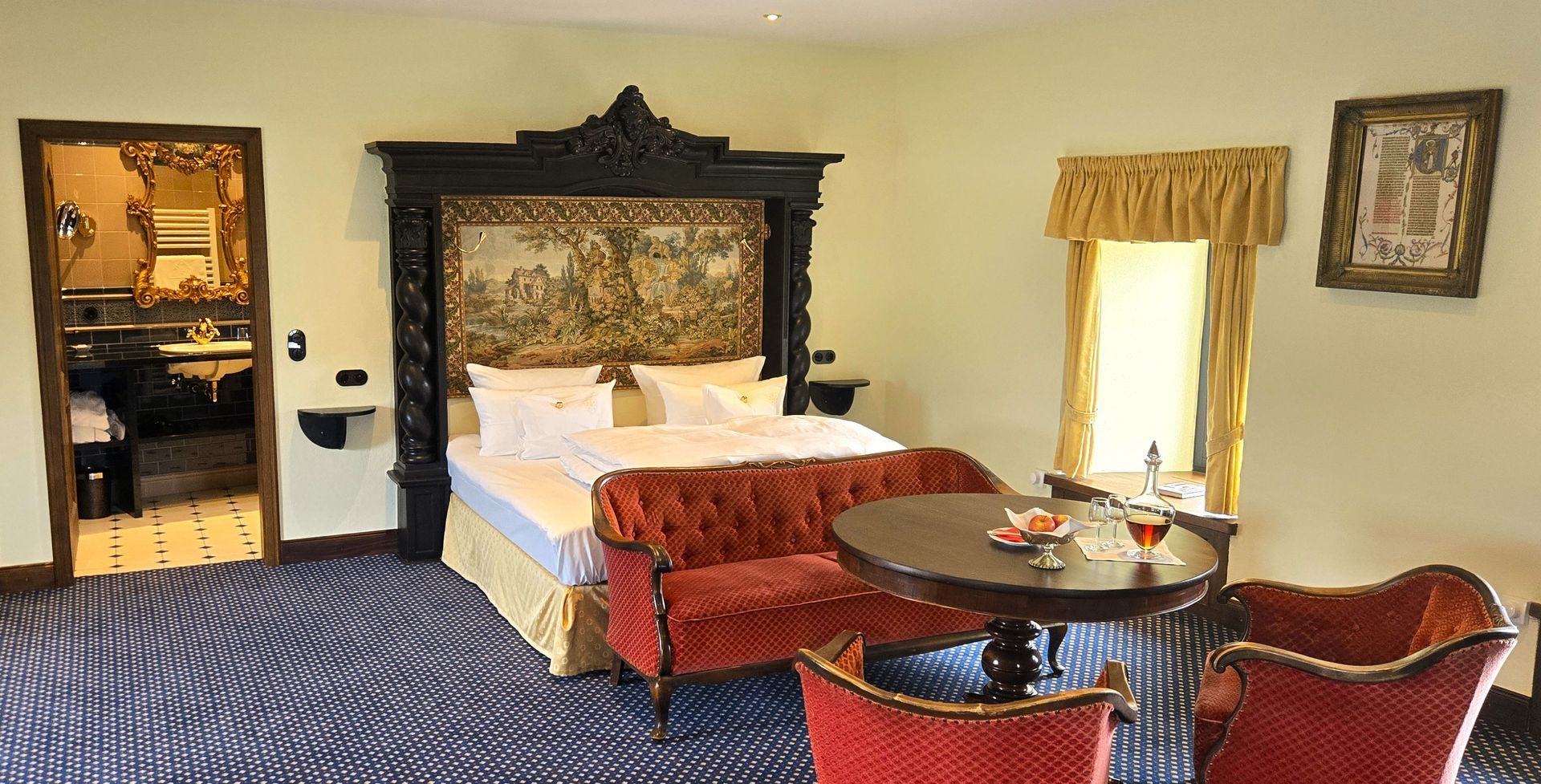
Have a closer look at our rooms with these 360 degree tours
Erleben Sie das 4 Sterne Burghotel Auf Schönburg digital. Unsere neuen 360 Grad Touren bieten Ihnen eine realistische Vorschau auf jedes unserer 30 luxuriösen Zimmer für eine perfekte Planung.
Discover the conflicts and strategic marriages surrounding Schönburg Castle in the 14th century. Visit our hotel and restaurant in Oberwesel.
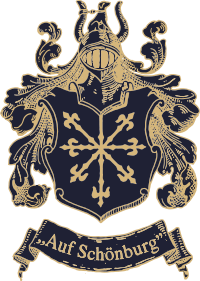
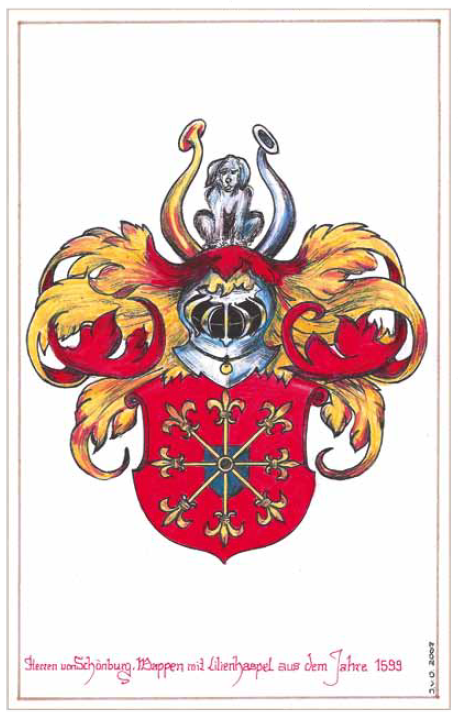
Am 8. August 1341 der Eklat: Man geriet sich in die Haare und griff zu Dolch und Schwert. Angesichts der Toten und Verletzten mahnte Balduin von Trier einen sofortigen Burgfrieden unter den Ganerben an, doch erst am 19. Oktober 1342 wurde dieser von 24 Schönburger Rittern – zwei, darunter der „Randecker“, hatten den Streit nicht überlebt – unterzeichnet und gesiegelt. Am 10. Mai 1348 musste Diedrich von Milwalt aus einem rauflustigen, in Wesel ansässigen Adelsgeschlecht sühnen: wegen Totschlags des Anton von Schönburg und Kirchenfrevels. Mit fünf Jahren freiwilligen Dienstes beim Erzbischof war die Sache erledigt. Und auch aus dem Jahre 1349 lag eine Sühn Brief über das Erschlagen des Ritters Heinrich von Schönburg und des Probstes von St. Martin Otto von Schönburg vor. Erst 1386 – nach mehreren Vertragsnachbesserungen – schienen die Zwistigkeiten ein Ende zu haben. Weit gefehlt! Wappenvielfalt: Viel im S c h i l d e g e f ü h r t - Kurz vor Ablauf des 14. Jahrhunderts gaben bei den Schönburgern mit den roten Schilden in Silber Friedrich, genannt der alte Ritter, und bei den Herren mit sechs goldenen Schilden im roten Wappen Humbracht aus dem Argentaler Stamm den Ton an. Die älteste, die Lamprecht`sche Linie (Nachfahren des Otto von Schönburg, 1159-1166 ministerialis regis) mit sechs silbernen Schilden auf rotem Grund beherrschte die Szene mit 16 Rittern, während bei den Herren mit dem Zepterrad Friedrich der Junge (1391-97 Ritter) und sein Sohn Eberhard das Sagen hatten. Eine dominante Rolle bei den Schönburgern mit - rotem Mittelschild (ohne Beschlag) in Gold spielte Johann der Junge. Zu erwähnen wäre noch das Wappen mit dem schwarzen Mittelschild in Silber, das Merbodo I. (1229-56) und seine Nachfahren führten. Als taktisch klug erwiesen sich gelegentliche Querverbindungen der Schönburger durch Eheschließungen. Sie verhinderten schlimmere Familienzwists. Die Schönburger mit den silbernen Schilden und die mit dem schwarzen Mittelschild verbanden sich durch Else (1345-72) und Johann (1342-97). Zuvor hatte Lamprecht (1316 Ritter, 1325 Burgmann zu Schmidburg) die Tochter des Johannes von Schönburg mit dem Schildbeschlag geehelicht. Eberhard von Schönburg, mit einer hübschen jungen Dame aus dem Hause Fleckenstein und danach mit Elisabeth von Cronberg verheiratet, wäre vielleicht mit einer Falkenstein besser dran gewesen, denn dieses Haus hatte gerade den Erzbischofsstuhl übernommen. - Zeichnungen und Text: Jochen von Osterroth

Experience new culinary concepts at the castle hotel from March 2026. Enjoy fine cuisine in the restaurant & bistro with a view of the Rhine.
Neue kulinarische Wege auf Schönburg Wir freuen uns darauf Ihnen unser neues Restaurantkonzept für die kommende Saison ab März 2026 vorzustellen. Sie erwartet auf Schönburg künftig noch mehr kulinarische Vielfalt: Zwei neue/geänderte Restaurant-Konzepte laden Sie ein, unsere Burg auf neue Weise zu erleben. 🍽 „Zum Mundschenk“ Auf Schönburg (ehemals Burg Bistro) – Täglich geöffnet von 12:00 bis 22:00 Uhr – Warme Küche : 12:00–16:30 Uhr & 17:30–20:00 Uhr – À-la-carte-Gerichte, ideal für Lunch, Kaffeezeit oder entspanntes Abendessen – immer mit dem unvergleichlichen Blick auf den Rhein. Die Speisekarte bleibt weitgehend unverändert. Wir haben jedoch den Namen angepasst, da viele unserer Gäste bei einem „Bistro“ einfachere Gerichte erwartet hatten. 🥂 Schönburger Weinstuben (ehemals Restaurant „Auf Schönburg“) – Mittwoch bis Sonntag von 14:30 bis 23:00 Uhr – Warme Küche : 15:00–21:00 Uhr – Kleine, feine Köstlichkeiten in Vorspeisengröße Hier haben wir ein komplett neues Konzept entwickelt: Wir verabschieden uns vom bisherigen 4-Gang-Menü am Abend und bieten stattdessen hausgemachte Kleinigkeiten in Häppchen und Vorspeisengröße an. Unsere kleinen Köstlichkeiten sind nicht als klassisches Menü gedacht, sondern werden gemeinsam serviert, damit Sie die Vielfalt unserer Küche auf einmal genießen können. Selbstverständlich können einzelne Häppchen jederzeit nachbestellt werden Beide Restaurants stehen Hausgästen und auswärtigen Gästen gleichermaßen offen. Hier schonmal eine kleine Vorschau auf die Menükarte (Änderungen vorbehalten) . 🌟 Besondere Genussangebote Gourmet-Aperitif Drei feine Häppchen in den Schönburger Weinstuben, begleitet von einer 0,375 l Flasche Rieslingsekt. Preis: € 49,50 pro Person (ab 2 Personen: 0,75 l Flasche Rieslingsekt) Wir freuen uns, Sie in dieser neuen kulinarischen Welt auf S chönburg willkommen zu heißen – für genussvolle Momente, die in Erinnerung bleiben.
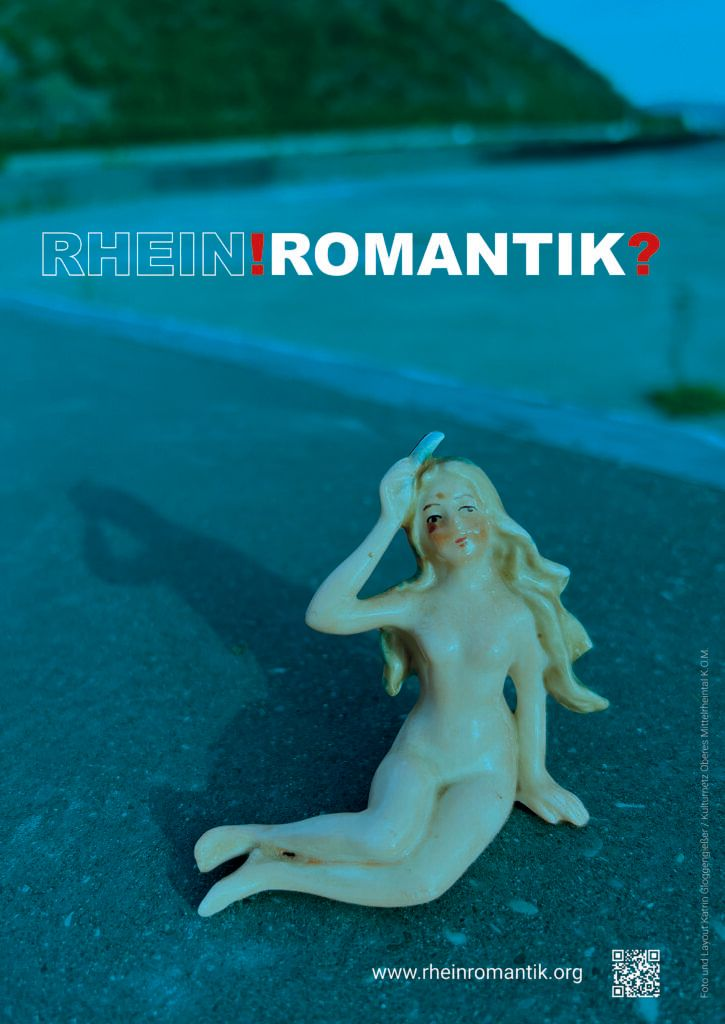
Erleben Sie die Rheinromantik in der Ausstellung „RHEIN!ROMANTIK?“ im Burgbistro. Genießen Sie Fotografien & Lesungen. Eintritt frei!
Im Oktober 2025 laden wir Sie zu einer besonderen Kunstausstellung ein: RHEIN!ROMANTIK? – eine Auswahl aus dem interaktiven Kunstprojekt, das sich der Rheinromantik zwischen Vergangenheit und Gegenwart widmet. Ein Blick auf das Projekt RHEIN!ROMANTIK? ist mehr als eine Ausstellung: Seit 2019 präsentieren regionale Künstler*innen des Oberen Mittelrheintals ihre Arbeiten in wechselnden Formaten an unterschiedlichen Orten. Das Projekt beleuchtet die historische und zeitgenössische Romantik am Rhein und regt dazu an, ihre Bedeutung für unsere heutige Zeit zu reflektieren. Für den Oktober 2025 haben wir eine kleine, exklusive Auswahl dieser Werke zusammengestellt – eigens konzipiert für Räume mit begrenztem Platz. Unter dem Titel „Rhein!Romantik en passant“ werden Fotos von Originalgemälden ebenso gezeigt wie Originalfotografien. Die Ausstellung ist vom 1. bis 31. Oktober 2025 täglich im Burgbistro auf Schönburg zu besichtigen. Vernissage Wir eröffnen die Ausstellung mit einer Vernissage am Mittwoch, den 1. Oktober 2025 um 15:30 Uhr– ein schöner Auftakt, um die Werke in entspannter Atmosphäre zu entdecken und die Künstler*innen kennenzulernen. Begleitende Lesungen Ergänzend zur Ausstellung finden an drei Samstagen im Oktober Lesungen statt, die sich in ähnlicher Weise mit der Rheinromantik befassen: 11. Oktober 2025 15:00–15:45 Uhr: Alfred Rosen 15:45–16:30 Uhr: Susanne Enderwitz 18. Oktober 2025 15:00–15:45 Uhr: Ingrid Leonhard 15:45–16:30 Uhr: Walter Karbach 25. Oktober 2025 15:00–16:30 Uhr: Karl Josef Perscheid Alfred Rosen ist Krimiautor mit starkem Bezug zur Geschichte und den Milieus des Mittelrheintals. Susanne Enderwitz , Orientalistin im Ruhestand, verbindet Rheinromantik mit literarischen Ausflügen in den Orient. Ingrid Leonhard erzählt Geschichte lebendig und humorvoll, u. a. über Burg Rheinfels, Blüchers Rheinübergang oder regionale Traditionen. Walter Karbach widmet sich in seinen Veröffentlichungen der Geschichte des Mittelrheintals, von Persönlichkeiten bis zu Brauchtum und jüdischer Kultur. Karl Josef Perscheid präsentiert historische Postkarten rund um die Loreley und beleuchtet die Entwicklung von Tourismus und Frauenbildern über die Jahrzehnte. Der Eintritt zu Ausstellung und Lesungen ist frei. Weitere Informationen Den Katalog „Das Buch zu unseren Ausstellungen 2025“ mit allen gezeigten Exponaten kann über Helmut Wagner ( hewako@web.de ) für 25 Euro erworben werden. Mehr Informationen zum Projekt finden Sie auf der offiziellen Website: rheinromantik.org . Wir freuen uns auf zahlreiche Besucher*innen und laden Sie herzlich ein, die facettenreiche Rheinromantik im historischen Ambiente unseres Burgbistros zu entdecken!
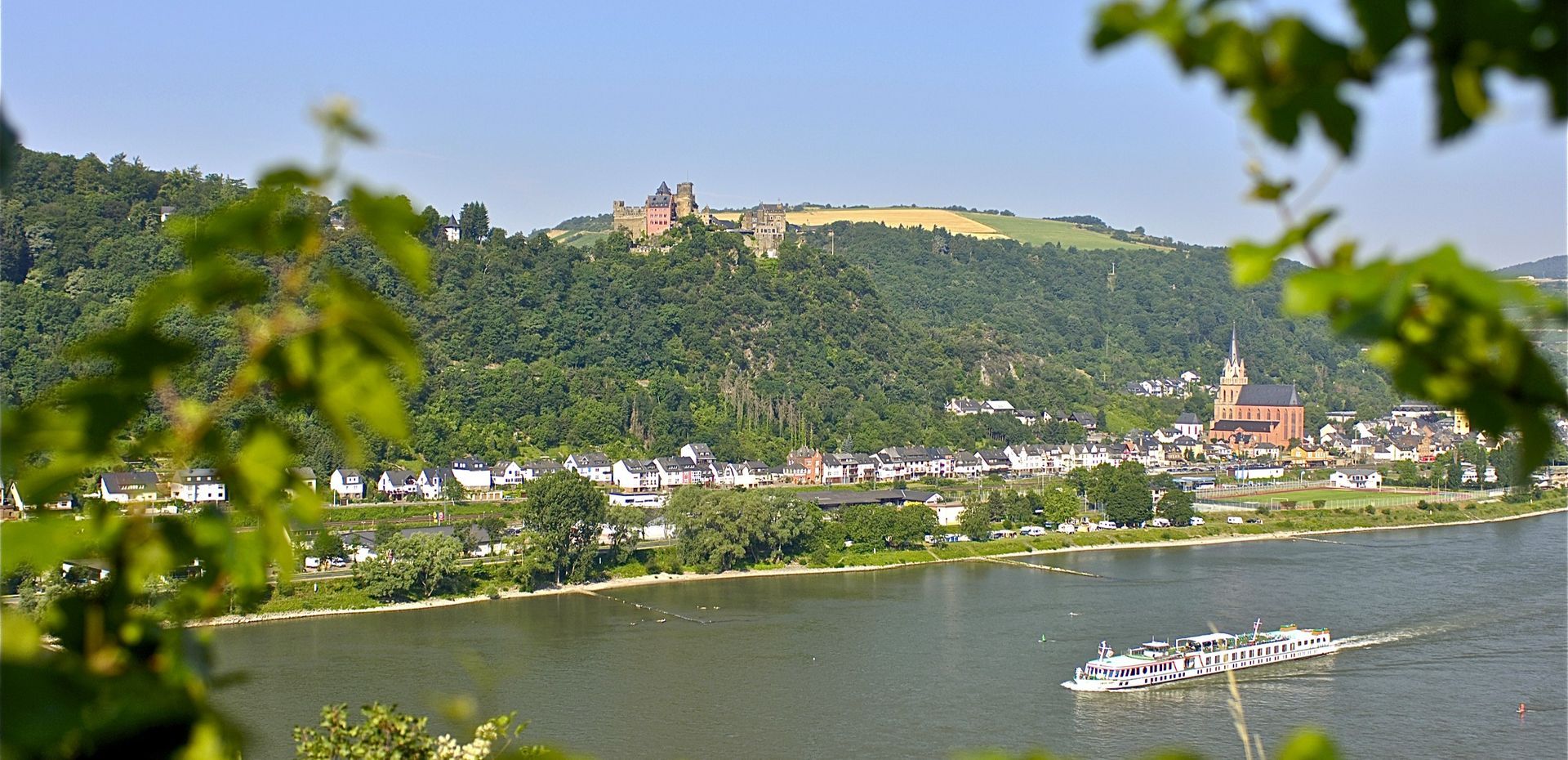
Oberwesel – Mittelalterliche Rheinromantik mit Kultur und Geschichte